M. J. Friedrich – Research on Psychiatric Disorders Targets Inflammation

This is an interesting overview of the current research on how inflammation can play a role in depression, schizophrenia, and autism. I suspect there is much more research to be done in this realm, but I believe they need to stop using pharmacological interventions targeted at a specific molecule or hormone in the immune response … Read more

Childhood Abuse and Neglect – The Objective Effects and the Subjective Experience

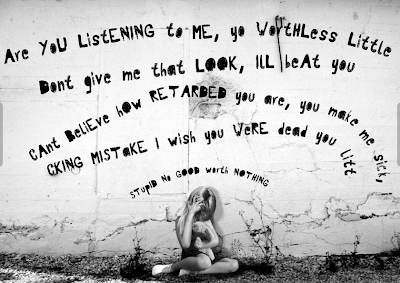
The two articles below are complimentary in their description of the impact of childhood maltreatment (CM: abuse and/or neglect). The first is only available as an abstract (paywall, of course) and the second comes from Psych Central, a nice resource for lay readers in psychology. Together these articles show the impact of CM on the … Read more

Frederick Travis, PhD – We Create Our Reality

Frederick Travis, PhD, is the director of the Center for Brain, Consciousness, and Cognition at the Maharishi University of Management, an institution dedicated to promoting transcendental meditation (TM [image a copyright symbol here]) in all possible venues. This talk was given at Stanford University. We Create Our Reality Published on Aug 1, 2014 Frederick Travis, … Read more

Making Memories of Stressful Events: Epigenetics, Gene Transcription, and Signaling Pathways

Below is another of the articles from the Epigenetic pathways in PTSD: how traumatic experiences leave their signature on the genome, a research topic collection from Frontiers in Molecular Psychiatry. One of things therapists see often, and survivors of trauma are no doubt aware, is that memories of stressful events seem to be more powerful … Read more

Many Individuals, and Even Entire Cultures, Fear Happiness

The quest for happiness has become a nearly archetypal feature of Western culture, not to mention a nation such as Bhutan, where happiness is a department in the government’s social policy planning (Gross National Happiness Commission). New cross-cultural research published in the Journal of Happiness Studies suggests that humans actually have an aversion to happiness. … Read more

Neuroscience: "I Can Read Your Mind" (BBC Future)

From the BBC Future blog, this is an interesting article on new efforts in neuroscience to read minds (sort of), or least to identify images received through sensory channels as well as those experienced in dreams. All of this part of the European Human Brain Project. This article looks at a little bit of the … Read more

Paller & Suzuki – The Source of Consciousness

Is consciousness some ineffable force that can never be understood by science, or is it completely within our ability to one day understand and perhaps even replicate? Paller and Suzuki argue in a new paper that we need more and better research, but that an understanding of consciousness is fully within our reach. Unfortunately, the … Read more

Emergence and Persistence of Communities in Coevolutionary Networks

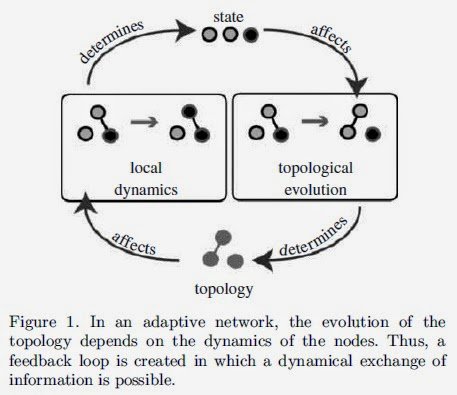
Here is some serious geekery for your Saturday entertainment. This is a fairly complex and computational model of how social communities emerge and survive over time through a process called “adaptive rewiring.” Here is a brief overview of how these coevolutionary networks might exist in different realms: In a social network, communities might indicate factions, … Read more

Research Offers New Insight into How the Brain Processes Emotions

This new study sheds some light on how the brain processes emotions, although it certainly does not explain everything. According to Cornell University neuroscientist, Adam Anderson, “It appears that the human brain generates a special code for the entire valence spectrum of pleasant-to-unpleasant, good-to-bad feelings, which can be read like a ‘neural valence meter’ in … Read more

Your Sense of Humor Can Improve Your Health, Get You Pregnant, and Even Save Your Life

I’m good with all of that except the pregnant part – that’s not funny. This short article comes from The Atlantic and basically serves as a primer on the health benefits of humor and laughter – including a list of the studies Julie Beck used to write this article. I am a firm believer in … Read more